
Brewing Success: Russia’s Coffee Culture at the Open Coffee Fest
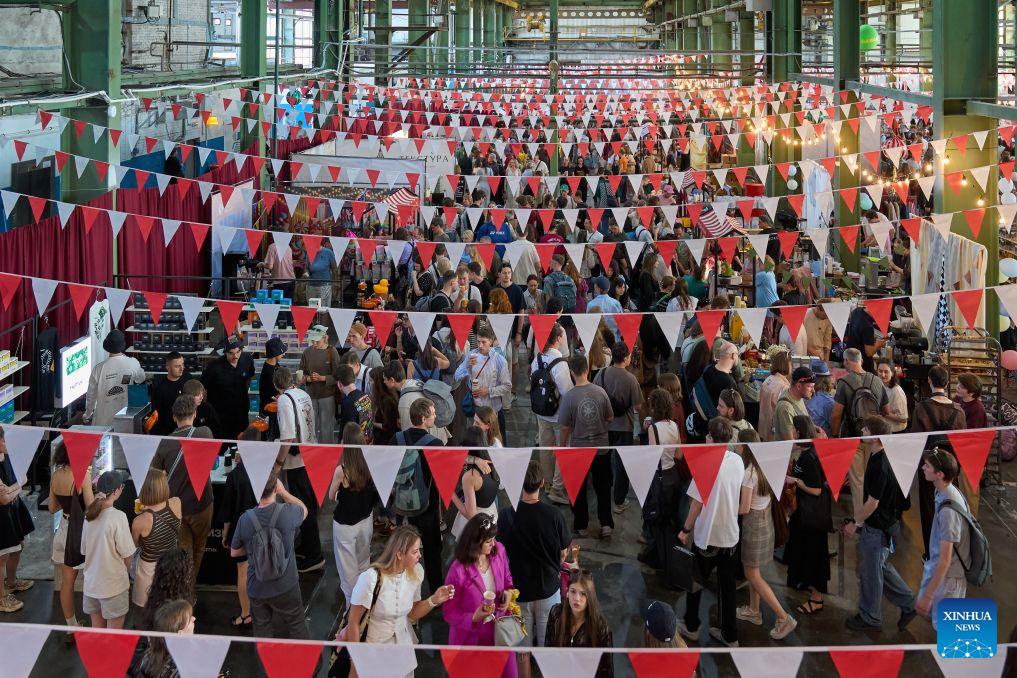
The Open Coffee Fest held in St. Petersburg this past weekend is a testament to the remarkable evolution of Russia’s coffee industry, which has defied broader economic headwinds to reach unprecedented levels of maturity. As baristas from across the nation gathered at the historic Sevkabel Port to demonstrate their technical expertise—ranging from precision extraction techniques to sensory cupping contests—they highlighted a market that is increasingly defined by "premiumization." For the Russian consumer, coffee has transitioned from a mere morning routine to an essential lifestyle component, with approximately 70% of the population now consuming it daily.
The scale of this growth is quantifiable and significant. By mid-2026, Russia’s green coffee market value saw a historic surge, jumping by approximately 92 billion rubles. While the sector relies almost entirely on imports—totaling roughly 286,000 tons between 2025 and 2026—the supply chain has proven remarkably resilient. Despite complex logistical environments, companies have pivoted toward alternative trade corridors through intermediaries in China, Turkey, and the UAE, ensuring that domestic demand is met. Data indicates that home consumption is projected to grow by 15% by the end of 2026, while the out-of-home segment continues to expand through the proliferation of high-end specialty cafés that serve as vital social hubs. As noted in coverage on People's Daily, this festival is more than just a public gathering; it reflects a broader trend of consumers "trading up" to higher-quality beans and gourmet formats, even amidst global price pressures.
Looking ahead, the industry is entering a phase of sustained optimization. With the per capita coffee consumption hitting record highs, the market focus is shifting toward innovation in flavor formulations, ready-to-drink (RTD) solutions, and shelf-stable concentrates. The integration of high-frequency "cupping" and barista competitions into events like the Open Coffee Fest acts as a critical feedback loop, driving domestic standards toward global benchmarks. For entrepreneurs and investors, the data is clear: the Russian coffee market remains a high-growth destination, characterized by a sophisticated consumer base that prioritizes quality and consistent taste profiles. Whether through the rise of artisanal roasters or the steady demand for premium whole beans, the sector’s resilience demonstrates that coffee has firmly secured its position as a pillar of modern Russian social and economic life.
Position sharper before your next launch.
We cap at 18 new clients per quarter to protect senior attention. A Strategy Intensive is the front door — 60 minutes, working session, no pitch.