
C&I Battery Storage Use Cases: Backup, Peak Shaving and Microgrids
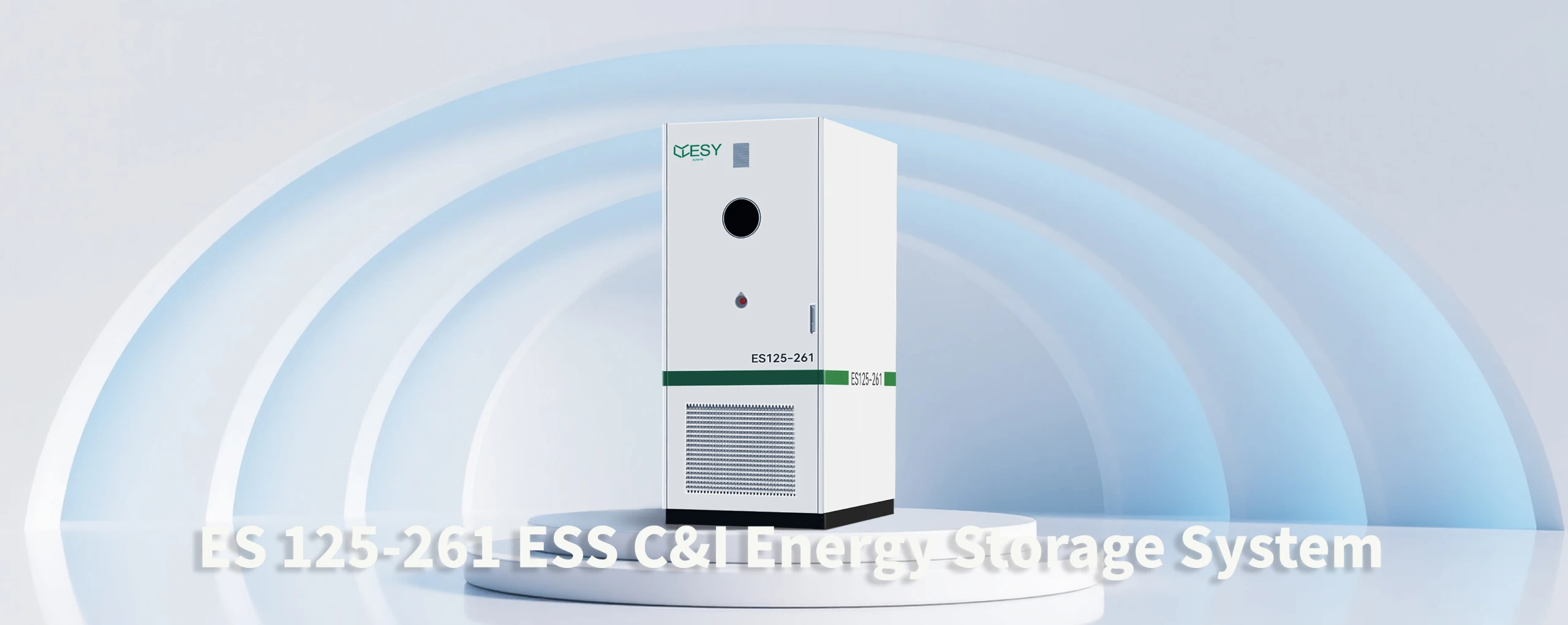
C&I battery storage systems help businesses manage electricity costs, maintain power availability, and operate local energy networks. A 261kWh commercial battery storage system can support peak shaving, backup power, and renewable integration for offices, factories, and campuses. By 2025, global battery storage deployments are expected to continue expanding as commercial users seek more flexible energy solutions.
Commercial and industrial battery storage is increasingly used because electricity costs are changing across many markets. Businesses are facing higher demand charges, renewable energy integration requirements, and stricter reliability expectations. Unlike traditional backup equipment that remains unused until outages occur, battery systems can provide daily economic functions through scheduled charging and discharging.
Many C&I projects combine three main applications: backup power, peak shaving, and microgrid operation. The same battery installation can reduce electricity demand during expensive hours, provide emergency electricity during outages, and store renewable energy for later use.
A commercial battery system installed in 2024 may operate hundreds of charge and discharge cycles each year, allowing businesses to use the equipment for both energy cost management and power reliability.
Peak shaving is one of the most common applications for commercial battery storage because electricity bills often include demand charges based on the highest power consumption period. In many commercial tariffs, demand charges can represent 30% to 60% of the monthly electricity bill, especially for facilities with large cooling systems, manufacturing equipment, or continuous operations.
A battery energy storage system reduces peak demand by supplying electricity when facility consumption reaches a high point. Instead of purchasing all electricity from the grid during expensive periods, the facility uses stored energy from the battery.
The operating pattern usually follows three steps:
| Period | Battery Operation |
|---|---|
| Low electricity price period | Battery charges from the grid or renewable sources |
| High demand period | Battery discharges to reduce grid consumption |
| Normal operation period | Battery maintains available capacity |
For example, a factory with a 2 MW peak demand may use a battery system to reduce grid demand by 500 kW during a short peak period. If the utility charges based on monthly maximum demand, reducing peak consumption by 25% can create measurable electricity cost reductions.
Battery sizing depends on facility conditions, including electricity tariffs, load curves, operating hours, and target demand reduction. A system designed for a 15-minute peak event requires different capacity compared with a system supporting several hours of operation.
A 261kWh commercial battery storage system can be suitable for small and medium commercial facilities that need a balance between energy cost management and backup capability. The system size allows businesses to support critical loads, reduce peak demand, and store electricity from solar installations.
More information about commercial and industrial energy storage solutions can be found through this 261kWh commercial battery storage system application range, which shows how battery capacity can be matched with different business requirements.
Backup power is another major reason companies install C&I battery storage. Facilities such as hospitals, warehouses, data centers, and production sites often require continuous electricity because short interruptions can affect equipment operation, product quality, or customer services.
Battery-based backup systems operate differently from diesel generators. Batteries can provide power almost immediately after detecting grid failure, while traditional generators usually require several seconds to start and stabilize.
Modern battery backup systems can respond within milliseconds, allowing critical equipment to continue operating during grid interruptions.
A typical commercial backup configuration includes:
-
Battery modules
-
Battery management system (BMS)
-
Power conversion system (PCS)
-
Energy management system (EMS)
-
Automatic transfer equipment
Many facilities do not need to power every electrical device during an outage. Instead, they separate critical loads from flexible loads. This approach allows companies to install smaller battery systems while maintaining important operations.
Typical critical loads include:
| Facility Type | Supported Equipment |
|---|---|
| Office buildings | Servers, communication systems, security equipment |
| Warehouses | Refrigeration, monitoring systems, control equipment |
| Manufacturing plants | Production controllers, safety systems |
| Healthcare facilities | Medical equipment and essential services |
Microgrids represent a more advanced use of C&I battery storage by connecting multiple energy resources into one local power system. A microgrid can operate with the utility grid under normal conditions and continue supplying electricity independently during outages.
A commercial microgrid usually combines solar PV, battery storage, generators, and energy management software. Battery storage helps balance electricity supply and demand because renewable generation changes throughout the day.
Solar generation often reaches its highest level around midday, while many commercial buildings experience higher electricity consumption in the afternoon or evening. Batteries allow companies to store unused solar electricity and use it later.
In solar-plus-storage projects, battery systems improve renewable energy usage by shifting electricity availability from generation hours to higher-demand periods.
The adoption of microgrids has increased in sectors where electricity reliability is important. According to industry reports published in 2023 and 2024, commercial facilities, campuses, and industrial sites represented a growing portion of new stationary battery installations.
Energy management software plays an important role in improving battery operation. The software monitors electricity prices, facility demand, renewable generation, and battery status to determine charging and discharging schedules.
Modern EMS platforms can analyze:
| Data Source | Application |
|---|---|
| Historical electricity usage | Predict daily demand patterns |
| Weather information | Estimate solar generation |
| Utility tariffs | Select lower-cost charging periods |
| Battery condition | Maintain long service life |
| Facility schedules | Adjust energy availability |
Artificial intelligence-based forecasting is also being integrated into some energy management platforms. These systems can estimate future electricity demand based on previous consumption records and production schedules.
Battery technology selection affects system performance, maintenance requirements, and operating life. Lithium iron phosphate (LFP) batteries are widely used in C&I applications because they provide long cycle life and strong thermal stability.
Typical commercial battery system parameters include:
| Parameter | Common Range |
|---|---|
| System capacity | 100 kWh to several MWh |
| Battery chemistry | LFP |
| Service period | 10–15 years |
| Response speed | Milliseconds |
| Main applications | Backup, peak shaving, microgrids |
Safety design is also an important part of C&I battery deployment. Large battery installations require appropriate ventilation, temperature management, fire protection systems, and continuous monitoring.
Battery systems are increasingly combined with renewable energy projects. Commercial buildings with rooftop solar can store excess electricity instead of exporting it when solar production exceeds immediate demand.
For example, a shopping center may generate surplus solar electricity during daytime hours. The battery can store this electricity and provide power during evening operation when lighting, cooling, and customer activity increase.
This approach improves renewable energy utilization and gives businesses more control over electricity consumption.
A well-planned solar and battery project can combine renewable generation, peak demand reduction, and backup support within one energy system.
The economic performance of C&I battery storage depends on several factors, including electricity prices, battery size, operating strategy, and local grid conditions. Projects with frequent demand peaks or large differences between electricity prices often achieve stronger financial results.
Businesses usually evaluate multiple applications together rather than using batteries for only one purpose. A battery system that provides backup power during rare outages can also reduce electricity costs every day through peak shaving and renewable energy storage.
By combining backup capability, demand management, and microgrid functions, C&I battery storage is becoming a practical energy solution for factories, commercial buildings, campuses, and infrastructure facilities. As battery costs continue to decline and energy management technologies improve, more businesses are expected to deploy storage systems designed around their specific electricity patterns.
Position sharper before your next launch.
We cap at 18 new clients per quarter to protect senior attention. A Strategy Intensive is the front door — 60 minutes, working session, no pitch.