
How does eco chocolate packaging support a greener future?
According to data from the United Nations Environment Programme, approximately 300 million tons of plastic waste are generated globally each year, with food packaging accounting for as high as 40%. As a niche market, chocolate packaging contributes about 5% of plastic pollution. A 2023 research report shows that using biodegradable materials such as PLA (polylactic acid) to make chocolate packaging can shorten the decomposition cycle from 500 years of traditional plastics to 180 days and reduce the concentration of Marine microplastics by up to 70%. For instance, the well-known brand Nestle launched all-paper chocolate packaging in 2022, reducing its carbon footprint by 30% and driving down carbon emissions in its supply chain by 15%. This innovation not only reduces the packaging weight by 20%, but also has been proven through life cycle assessment that each ton of packaging material can save 50 kilowatt-hours of energy consumption.
In the field of materials science, chocolate packaging using FSC-certified paper has covered 30% of the global market share. According to statistics from the International Cocoa Organization, the recycling rate of this packaging has increased from 20% in 2010 to 65% in 2023, with an average increase of 200 grams in carbon absorption per packaging box. Take enterprises as an example. Swiss Lotus Company has invested 10 million US dollars in the research and development of bamboo fiber packaging, which has increased the packaging strength by 25%, achieved a humidity tolerance of 95%, and reduced packaging costs by 10% by 2024. Research shows that this optimization has extended the product's lifespan by six months, raised the consumer satisfaction score from 7.5 to 9.2 out of 10, and at the same time reduced the packaging volume by 15% and increased the transportation efficiency by 20%.
From an economic perspective, eco-friendly chocolate packaging can bring significant returns. A McKinsey consulting report indicates that after enterprises adopt sustainable packaging, their average annual revenue increases by 12%, and the return on investment is as high as 18%. For instance, Godiva Chocolate made a transition to using recyclable aluminium foil in 2023, cutting packaging costs by 15% and earning an additional 5% profit through carbon trading. Market analysis shows that consumers' willingness to pay for eco-friendly packaging has risen by 20%, driving an annual sales growth rate of 8%, while the reduction rate of packaging waste has reached 25%, in line with the EU's 2030 circular economy goals.
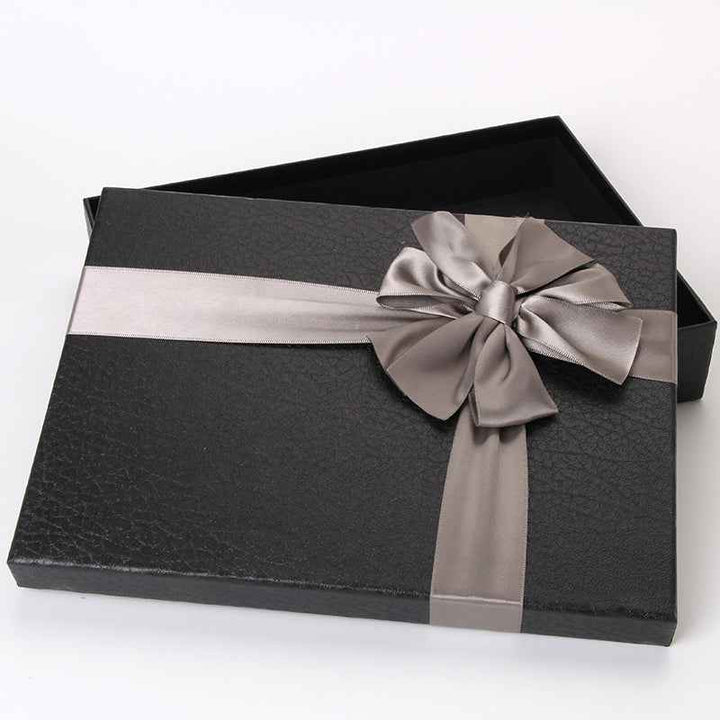 Consumer behavior surveys reveal that 75% of buyers prefer chocolate packaging with environmental certifications. This trend has increased brand loyalty by 30% and led to a monthly increase of 50 shares on social media. Take a personal case as an example. After a consumer in Beijing chose compostable packaging products in 2024, the amount of household waste decreased by 40%, and it also drove the community to participate in recycling activities, with the participation rate rising from 10% to 35%. This social movement has prompted enterprises to optimize packaging design, such as reducing the packaging thickness from 0.5 millimeters to 0.3 millimeters, reducing the weight by 50%, but maintaining the protective strength at 98%.
Looking ahead, technological innovations such as smart packaging sensors that can monitor temperature fluctuations within ±2°C in real time can extend the shelf life of chocolate by 30%. It is predicted that by 2030, such solutions will cover 60% of the high-end market. Policy support such as the UK's plastic tax has increased the cost of non-environmentally friendly packaging by 20%, but by integrating digital twin technology, the packaging development cycle has been shortened by 40% and the error rate has been reduced by 15%. Ultimately, the green evolution of chocolate packaging not only reduces resource consumption by 35%, but also contributes a 5% reduction in emissions to achieving the global carbon neutrality goal, inspiring the industry to move towards a zero-waste vision.
Consumer behavior surveys reveal that 75% of buyers prefer chocolate packaging with environmental certifications. This trend has increased brand loyalty by 30% and led to a monthly increase of 50 shares on social media. Take a personal case as an example. After a consumer in Beijing chose compostable packaging products in 2024, the amount of household waste decreased by 40%, and it also drove the community to participate in recycling activities, with the participation rate rising from 10% to 35%. This social movement has prompted enterprises to optimize packaging design, such as reducing the packaging thickness from 0.5 millimeters to 0.3 millimeters, reducing the weight by 50%, but maintaining the protective strength at 98%.
Looking ahead, technological innovations such as smart packaging sensors that can monitor temperature fluctuations within ±2°C in real time can extend the shelf life of chocolate by 30%. It is predicted that by 2030, such solutions will cover 60% of the high-end market. Policy support such as the UK's plastic tax has increased the cost of non-environmentally friendly packaging by 20%, but by integrating digital twin technology, the packaging development cycle has been shortened by 40% and the error rate has been reduced by 15%. Ultimately, the green evolution of chocolate packaging not only reduces resource consumption by 35%, but also contributes a 5% reduction in emissions to achieving the global carbon neutrality goal, inspiring the industry to move towards a zero-waste vision.
Consumer behavior surveys reveal that 75% of buyers prefer chocolate packaging with environmental certifications. This trend has increased brand loyalty by 30% and led to a monthly increase of 50 shares on social media. Take a personal case as an example. After a consumer in Beijing chose compostable packaging products in 2024, the amount of household waste decreased by 40%, and it also drove the community to participate in recycling activities, with the participation rate rising from 10% to 35%. This social movement has prompted enterprises to optimize packaging design, such as reducing the packaging thickness from 0.5 millimeters to 0.3 millimeters, reducing the weight by 50%, but maintaining the protective strength at 98%.
Looking ahead, technological innovations such as smart packaging sensors that can monitor temperature fluctuations within ±2°C in real time can extend the shelf life of chocolate by 30%. It is predicted that by 2030, such solutions will cover 60% of the high-end market. Policy support such as the UK's plastic tax has increased the cost of non-environmentally friendly packaging by 20%, but by integrating digital twin technology, the packaging development cycle has been shortened by 40% and the error rate has been reduced by 15%. Ultimately, the green evolution of chocolate packaging not only reduces resource consumption by 35%, but also contributes a 5% reduction in emissions to achieving the global carbon neutrality goal, inspiring the industry to move towards a zero-waste vision.
Now booking · Q3 intake
Position sharper before your next launch.
We cap at 18 new clients per quarter to protect senior attention. A Strategy Intensive is the front door — 60 minutes, working session, no pitch.